Illinois Fireplace Safety Experts
Work with Illinois chimney sweep and fireplace specialists who comply with NFPA 211, IRC R1001-R1005, and ANSI specifications. Our team delivers annual CSIA-certified inspections (Levels I-III), HEPA-contained maintenance, creosote removal, video surveys, draft/CO tests, and photo-documented records. Our experts fix crowns, repair masonry, seal per ASTM, and set up UL 1777 stainless liners, listed caps, and draft interlocks. Our team carefully measure and position vents, verify clearances, and upgrade to EPA/ANSI-listed inserts. Receive complete estimates, permits, and warranties-find out how to choose the most reliable, most efficient service.
Main Insights
- Pick CSIA-certified specialists performing NFPA 211 Level I-III evaluations, scheduled yearly and after incidents, featuring photo/video reports and prioritized maintenance needs.
- Weather in Illinois hastens brick and stone damage; find professionals who specialize in moisture protection, mortar restoration, crown maintenance, cap fitting, and flashing installation following ASTM specifications.
- Ensure chimney sweeping encompasses brush and rotary cleaning down to the bare liner, with HEPA containment, airflow and carbon monoxide readings, and verified cleaning documentation.
- For chimney upgrades, install UL 1777-listed flue liners, spark arrestors, and building code approved inserts (EPA-approved wood, ANSI/CSA-approved gas) matched to your chimney.
- Discuss safety measures and CO/heat monitoring equipment, draft control mechanisms, pest control measures, and ventilation testing for energy-efficient homes.
The Importance of Regular Chimney Service in Illinois
Whether you burn occasionally or regularly, Illinois' seasonal temperature changes and humidity accelerate chimney deterioration, making routine service crucial for compliance and safety. Water intrusion affects masonry integrity, deteriorates brickwork, and corrodes liner materials, reducing proper airflow and CO risks. We recommend booking regular inspections to clear creosote deposits according to NFPA 211 requirements and check distances to combustible materials align with manufacturer listings and IRC standards. Specialists check caps, crowns, and flashing to stop water penetration and address pest issues so airflow remains unobstructed or cause safety risks. They evaluate flue integrity, chamber surfaces, and damper performance, and note deficiencies compromising function or safety standards. Routine service and basic upkeep minimize fire hazards, protect indoor air quality, and ensure optimal operation through proper draft and effective ventilation.
Certified Chimney Inspections: What to Expect
We'll arrange a CSIA-certified inspection by level (I, II, or III) according to NFPA 211, based on site accessibility, recent changes, or past incidents. The chimney expert will examine and evaluate the entire system including clearances, flue integrity, liners, smoke chamber, firebox, damper, caps, and appliances, frequently using video scanning to identify unseen problems. You will receive a comprehensive written report detailing compliance with codes, any deficiencies found, supporting photos and prioritized recommendations for safety repairs or additional evaluation.
Inspection Levels Overview
Prior to scheduling maintenance, it's important to understand how certified chimney inspections are organized. NFPA 211 establishes three level distinctions. Level 1 is a basic chimney inspection for systems with no changes and regular operation; it involves visual examination of accessible areas using fundamental equipment like lights and mirrors. Level 2 becomes necessary upon ownership change, fuel or appliance change, or after operational issues or severe weather event; it adds video inspection of internal flue surfaces and accessible areas. Level 3 is invasive, enabling removal of construction components when concealed dangers may exist.
Maintain NFPA-recommended inspection schedule: annually at minimum, and after any incident. Licensed inspectors document results, compliance issues, and safety risks. You'll receive a comprehensive report highlighting compliance, defects, and required corrective actions.
What Inspectors Review
In accordance with NFPA 211, certified technicians perform systematic inspections to ensure that every part of the chimney and venting system is operating as intended. They verify clearances to combustibles, appliance connections, and proper ventilation requirements. On the exterior, they evaluate the condition of the cap, crown construction, stonework, and flashing installation for water resistance. They verify the liner system is continuous, properly sized according to NFPA 54/211, and without cracks or misalignment.
During the inspection, they carefully examine the firebox, lintel, and damper operation, including the smoke chamber for parging, smooth transitions, and potential blockages. They conduct draft measurements and analyze creosote buildup types (glazed versus brushable). Throughout attics and basements, they examine supporting elements, chimney thimbles, and connector pitch. They confirm vent terminations, hearth extension dimensions, carbon monoxide routes, and required clearances according to manufacturer listings and code requirements.
Inspection Assessment Report
After completing the inspection, the technician presents a thorough written report that documents measurements, photos, and observations, aligned with relevant standards (NFPA 211/54) and manufacturer listings. You'll see documented defects by area (firebox, flue, crown, cap), seriousness, and code citations. The report contains information on clearances to combustibles, liner type/size, draft and CO readings, moisture content (for masonry), and accessible attic/chase observations. It highlights Level II/III requirements if covered areas warrant further evaluation as per NFPA 211.
We provide you with essential maintenance recommendations, pricing estimates, and repair timeframes to ensure system performance and insurance compliance. Subsequent suggestions encompass cleaning schedules, relining options, refractory repairs, and exhaust system updates per NFPA 54. Don't hesitate to seek timing information and clarification. Documented compliance and open dialogue drive client happiness and improved safety.
Professional Creosote and Soot Removal Services
While your fireplace seems to draft well, complete cleaning is necessary to clean out creosote and soot that build up on internal chimney surfaces and components. You'll decrease chimney fire potential and return proper airflow when you arrange creosote removal and soot cleaning based on NFPA 211 guidelines. We use brush and rotary cleaning techniques to achieve bare masonry or listed liner, then carry out HEPA-vacuum extraction to control particulate. When glazed Stage 3 deposits exist, we apply approved chemical treatments, never harsh abrasive grinding that might damage tiles or stainless liners.
We examine and validate clearance to combustibles, examine connectors, and maintain caps and smoke chambers in accordance with Illinois code and manufacturer specifications. After the cleaning process, we confirm draft with manometer readings and record measurements. To prevent issues, don't burn unseasoned wood or trash; ensure moisture content under 20% to reduce creosote accumulation.
Masonry Repairs, Repointing, and Waterproofing
Chimneys only perform as designed when the chimney assembly remains stable, so we tackle masonry problems that affect proper operation. We examine masonry and crown conditions per NFPA 211 and state code requirements, then specify mortar restoration that matches original composition and strength. We repoint compromised joints to reestablish structural integrity and eliminate flue gas escape. Spalled bricks and compromised crown sections are reconstructed using structural materials and proper drip edges.
To halt water infiltration-the primary cause of masonry deterioration-we install breathable moisture barriers and flashings per ASTM specifications. We seal masonry with vapor-permeable silane/siloxane treatments, not paint. We upgrade chimney-to-roof connections with step and counter-flashing, then verify gradients, water outlets, and expansion joints for durable, code-compliant results.
Chimney Liners, Caps, and Draft Optimization
While masonry maintains the stack standing, liners, caps, and draft controls help it function safely and efficiently. You need a uninterrupted, regulation-compliant flue according to NFPA 211 and the Illinois Mechanical Code. Pick liner materials depending on fuel type and appliance: stainless steel (316/304) for most solid-fuel and oil, 316Ti for condensing byproducts and coal, aluminum exclusively for select gas Category I, and approved ceramic or cast-in-place for high-temperature resistance. Size the liner to chimney height and appliance output using manufacturer tables to preserve appropriate velocity and temperature.
Mount a approved cap with spark arrestor and vermin screening; pair it with a cap that diverts water. Check performance with draft testing using a manometer at the connector and smoke escape verification. Add a top-sealing damper or barometric dampening device only where codes approve.
Fireplace Solutions: Gas, Wood, and Insert Options
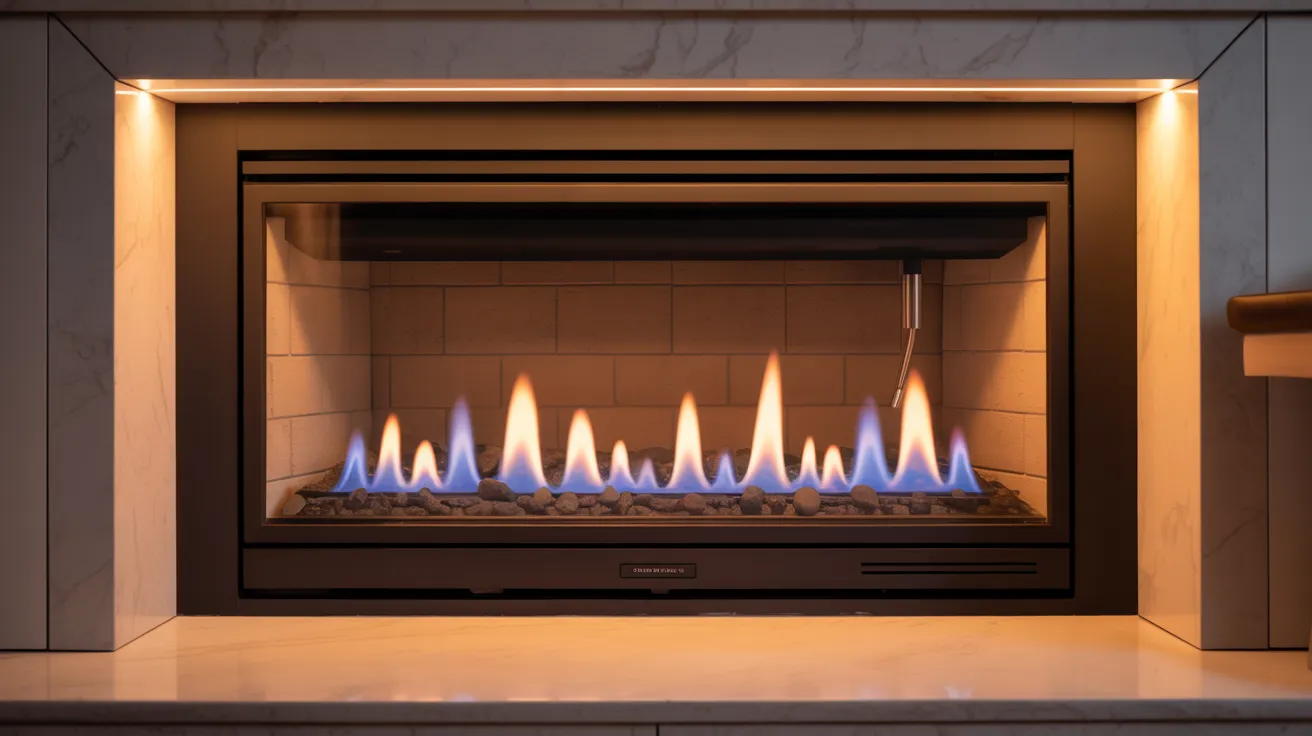
As you weigh gas versus wood options, you must assess heat output, fuel accessibility, and code compliance (including NFPA 211 and local mechanical and gas codes). Upon deciding on an efficient heating insert, remember to confirm unit dimensions, EPA certification and approved liner systems according to manufacturer specifications. When addressing venting and safety protocols, ensure proper installation of CO detectors, establish proper clearances, install proper hearth protection, use approved venting systems (Type B/AL for gas, stainless liners for wood), and obtain necessary permits and inspections before operating the system.
Comparing Gas and Wood Options
In residential settings, selecting between gas and wood heating options is often determined by code compliance, venting constraints, and lifecycle costs as much as ambiance. Illinois regulations require adherence to IRC/IFGC for gas appliances and NFPA 211 for solid-fuel systems. Gas fireplace installations require approved units, proper gas sizing, shutoff valves, and proper airflow; direct-vent units simplify venting and minimize backdraft issues. Wood installations need a properly rated chimney, proper spacing from flammable surfaces, and periodic chimney maintenance.
You'll need to weigh upfront costs versus ongoing expenses and upkeep. While gas units cost more to install, they need less maintenance over time; wood installations might require chimney updates and regular checks. Evaluate the emissions factor: gas appliances generate less pollution, whereas wood units meeting EPA standards reduce particles but depend on seasoned wood. Make sure to secure necessary permits and inspections.
High-Performance Inserts
Upgrade heating performance and security with energy-efficient fireplace inserts that transform open fireplaces into sealed, code-compliant systems. You'll achieve better energy efficiency through controlled combustion, gasketed doors, and insulated fireboxes that achieve higher AFUE/HHV performance than typical open hearths. Opt for EPA-certified wood inserts or ANSI/CSA-listed gas inserts to meet Illinois code and manufacturer guidelines.
Begin by prioritizing installation considerations: confirm firebox dimensions, hearth safeguards (R-value), and combustible clearance requirements according to UL 1482 (wood) or ANSI Z21.88 (gas). Ensure the chimney condition and dimensions match the insert's certified setup, and use approved parts supplied by the manufacturer. Electrical specifications for blowers must utilize a dedicated, GFCI-protected circuit when necessary. Install a CO alarm within the required distance. Log serial numbers, ratings plates, and setup information for inspections and warranty purposes.
Ventilation System and Safety Enhancements
Even though looks are significant, the main priorities for fireplace modifications are safety and proper ventilation. You must begin by verifying chimney dimensions, liner configuration, and stack height as specified in IRC M1801 and NFPA 211. Stainless steel liners meeting UL 1777 standards properly regulate draft for gas logs, wood stoves, and inserts, decreasing condensation and spillage. Employ flow simulation to ensure sufficient combustion air and pressure distribution, specifically in well-sealed Illinois buildings.
Improve vent endings with protective arrestors and anti-backdraft caps. Install CO and heat sensor integration tied to automatic gas shutoff (ANSI Z21.88/CSA 2.33) and airflow safety devices that shut down appliances when negative pressure or flue blockage occurs. For wood installations, mount listed chimney connectors, clearance shields, and hearth extensions according to manufacturer guidelines. Verify make-up air supply, seal thimbles, and record a final pressure, carbon monoxide, and airflow assessment.
Transparent Estimates, Safety Codes, and Scheduling
Begin with detailed line-by-line estimates that spell out inspection level (NFPA 211 Levels 1-3), extent (chimney sweep, video scan, crown or liner work), materials, labor hours, and required permits, so you can evaluate options fairly before approving work. Demand clear pricing tied to ASTM-listed materials and manufacturer specifications. Request your pro to cite NFPA 211, IRC R1001-R1005, and local Illinois amendments for chimney dimensions, clearance to combustibles, hearth extension, and lining requirements. Verify they capture defects with visual documentation per Level 2 protocols after any chimney fire, system modification, or property transfer.
Check and validate proof of insurance and WBEA/CSIA credentials, as well as written warranties for chimney liners and caps. Implement flexible scheduling that prioritizes safety-critical issues-addressing soot-heavy systems first and addressing carbon monoxide risks immediately-and ensure arrival windows, required prep work, and detailed post-service documentation.
Frequently Asked Questions
Are Emergency Chimney Services Available During Severe Illinois Winter Storms?
Indeed, you can request emergency chimney services in the midst of severe Illinois winter storms. You'll obtain quick professional response for emergency ventilation issues and storm-related damage. Technicians comply with NFPA 211 and IRC provisions, conduct draft and CO checks, clear obstructions, and secure masonry. They focus on venting safety, verify chimney integrity, and record code compliance. You need to isolate appliances, avoid use, and call immediately if you observe smoke, notice unusual drafts, or have alarm activation.
Are Your Service Professionals Insured and Screened for Safety?
We ensure certified technicians and screened staff, because we know professional standards require more than just promises for NFPA compliance. We meticulously verify liability protection, ensure updated certifications, and document all background checks before allowing site access. We adhere to NFPA 211, IRC M1801, and OSHA 1910/1926 protocols, utilizing PPE, lockout/tagout, and confined-space protocols when applicable. You'll receive detailed service documentation covering safety checks, combustible clearance measurements, venting system integrity, and camera inspection results - making safety a verifiable commitment, it's properly verified.
Which Parts and Brands Are Ready for Same-Day Repairs?
You'll find we stock standard manufacturer and UL-certified parts for quick repairs: stainless flue liners and connectors, ceramic caps and spark arrestors, firebrick refractory panels, high-temp crown sealants, damper assemblies (top-sealing and throat), gas control valves, thermoelectric generators, pilot systems, and chase covers meeting NFPA-211 standards. We stock rope gaskets, heat-resistant cement, and screening for caps conforming to IRC/IMC standards. Products comply with ASTM/UL specifications, installed according to manufacturer instructions to maintain code compliance and draft safety.
Do You Handle Home Insurance for Damage Claims?
Need to know about whether we can handle insurance coordination and claims assistance? Absolutely. We deliver detailed assessments, NFPA 211-based reports, and photographic evidence that clearly distinguishes unexpected damage from routine maintenance needs. We'll work with your insurance adjuster, prepare Xactimate estimates, and align scope with applicable safety regulations. For your safety, we focus on urgent safety solutions, followed by standard-meeting repairs. You'll validate documentation, while we manage timelines, additional claims, and settlement completion.
Do You Offer Maintenance Reminders and Seasonal Service Plans?
Absolutely. You receive automated seasonal reminders and customizable maintenance plans aligned with NFPA 211 and local mechanical codes. We arrange chimney inspections, sweeping services, and safety checks prior to peak burn seasons. You'll get detailed inspection reports, visual documentation, and preferred scheduling. We track chimney liner condition, safety clearances, flashing systems, and masonry condition to prevent hazardous accumulation and structural deterioration. Services feature safety system verification, air flow testing, and compliance documents for meeting insurance requirements.
Closing Remarks
When you schedule professional chimney service in Illinois, you're doing more than routine maintenance-you're activating a skyscraper‑level safety upgrade for your home. You'll get NFPA 211-compliant inspections, sweeping that crushes creosote Stage 1-2, and solutions that address spalling, leaks, and draft issues. With UL‑listed liners, code‑rated caps, and properly sized vents per IRC/IMC, your fireplace will run like a precision instrument. check here Don't gamble with carbon monoxide or chimney fires-schedule today and safeguard your home.